
For every Dragon Ball fan, the series is more than just an anime—it’s a childhood memory, a symbol of courage, and a journey of growth. Among the countless peripherals, Dragon Ball cards stand out as a unique carrier of emotions and value. They are not just pieces of paper printed with characters; they witness the evolution of the IP, the inheritance of fans’ feelings, and the collision between classic design and modern innovation. Today, we will go beyond the routine of battle strategies and price rankings, and explore the timeless charm of Dragon Ball cards from the perspective of “time and collection”.
1. The Origin of a Legend: 1988 Carddass, the Pioneer of Anime Cards
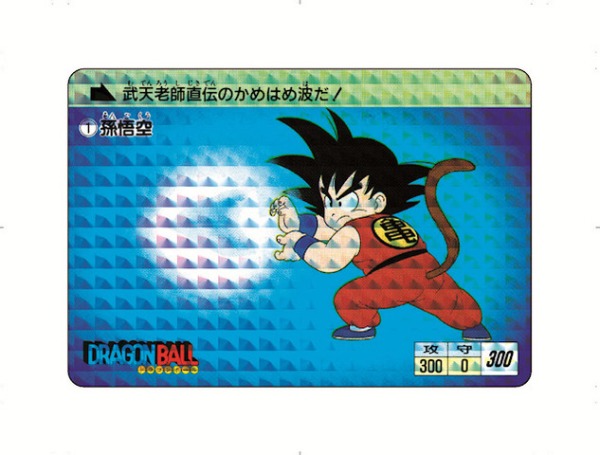
When talking about Dragon Ball cards, we must start with the 1988 Carddass series launched by Bandai—the true originator of the Dragon Ball card universe. Unlike the diverse and complex card types today, the first batch of Dragon Ball Carddass cards was simple but full of sincerity. Most of the card images were selected from original comics and animations, faithfully restoring classic scenes such as Goku practicing Kamehameha under Master Roshi, and the adult Goku unleashing the Super Kamehameha .
2. The Evolution of Design: From Fidelity to Innovation
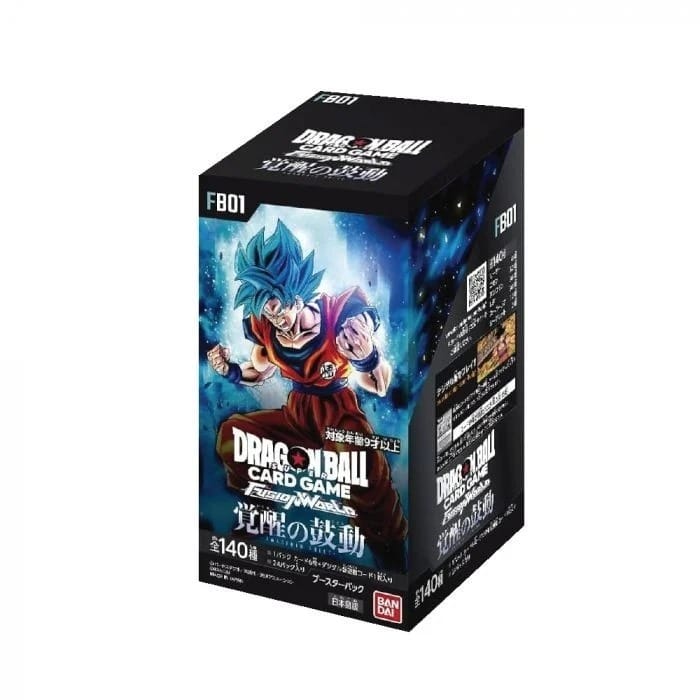
Over the past 30 years, Dragon Ball cards have undergone earth-shaking changes in design and craftsmanship, while always retaining the core of the IP. The FB01 “Awakening Surge” series, a popular recent release, is a typical example of combining classic and innovation . This series includes double-sided leader cards such as Son Gohan (Teenage), Beerus, and Future Trunks, with alternate art designs that break the single style of traditional cards . The red SR battle card of alternate art Goku and the blue SR battle card of alternate art Hit not only have exquisite illustrations but also use high-quality paper and anti-counterfeiting technology, ensuring both collection value and texture .
The innovation of modern Dragon Ball cards is more reflected in the integration of technology and gameplay. The second set of Dragon Ball Super Divers, a digital card game, launched a new “Limited Type” card, which focuses on support and can only be included one in a deck, adding more strategic possibilities to the battle . The God Rare (GDR) cards in this set are even more stunning—they are equipped with gorgeous holographic and 3D foil effects, and some alternate art GDR★ cards also have exclusive holographic effects, making each card a work of art . This combination of digital gameplay and physical card aesthetics has opened up a new direction for the development of Dragon Ball cards.
3. Beyond Collection: The Emotional Connection of Co-branded Cards
Dragon Ball cards are not limited to the official series; co-branded works have also become a bright spot in the collection circle, connecting fans’ love for the IP with daily life. The KFC co-branded Dragon Ball flash cards are a typical case . This series combines the elements of KFC and Dragon Ball, launching flash cards, shaking lids, and limited empty bucket shapes. While bringing fun to dining, it also creates a new collection trend .
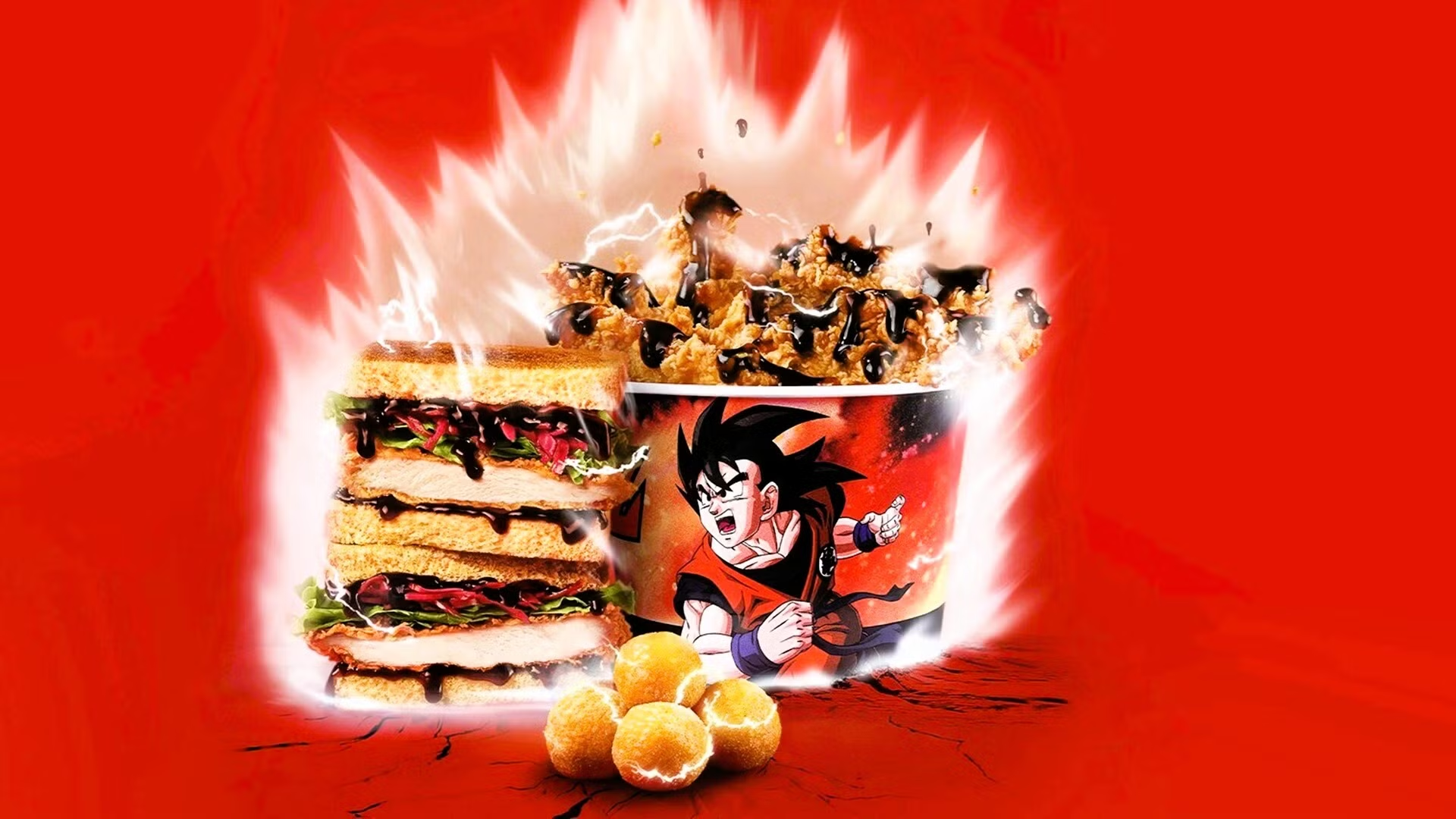
What’s interesting is that co-branded cards often break the circle of core fans and attract more people to pay attention to Dragon Ball culture
4. Tips for Collectors: Balance Between Love and Rationality
Whether you’re a seasoned collector chasing vintage cards or a newcomer obsessed with modern limited editions, rational collecting is key. First, purchase through official channels to avoid counterfeits—official flagship stores, authorized dealers, and reputable secondhand platforms are all solid choices. I recommend checking out JPfans.com, a genuine Japanese product purchasing service website with 100% authentic items. Secondly, understand the card’s background and version differences before collecting. For example, the reissued Cardass series differs from the original in details, which affects its collectible value.
Most importantly, remember that the core of collecting Dragon Ball cards is love for the IP. Whether it’s a valuable original old card or a cheap co-branded flash card, as long as it carries your emotions for Dragon Ball, it is a precious treasure.
From the 1988 Carddass to the modern God Rare cards, Dragon Ball cards have spanned decades, recording the growth of generations of fans and the vitality of the IP. They are not only collectibles but also a bridge connecting the past and the present, allowing every fan to find their own emotional sustenance in the cards. What’s your story with Dragon Ball cards? Welcome to leave a comment and share with us!